
Now Reading: The End of Jamaica’s Cheque Era: Transition to Digital Payments
-
01
The End of Jamaica’s Cheque Era: Transition to Digital Payments

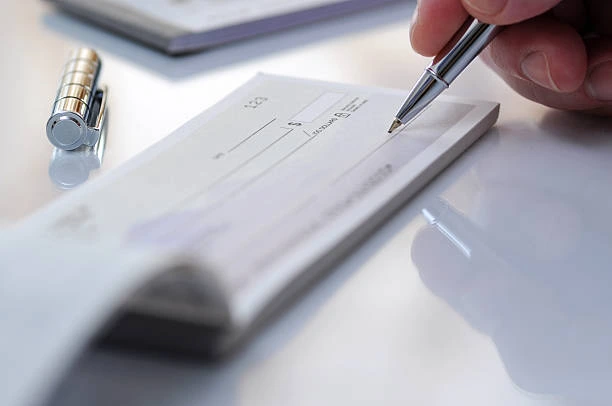
Jamaica’s financial landscape is entering a significant period of change as the country begins reducing its dependence on cheques ahead of their planned discontinuation in March 2028.
The transition, which started on September 1, will take place in stages, giving businesses, professionals and consumers time to shift toward electronic payment methods. Some financial institutions are beginning with restrictions on very large cheque transactions, with permitted limits expected to decrease progressively.
For companies accustomed to issuing cheques as part of their everyday operations, the adjustment will involve more than choosing a different way to send money.
Cheques remain embedded in many Jamaican business processes, from paying suppliers and contractors to settling obligations with landlords and service providers. In some organizations, the cheque itself is also part of an established approval system, requiring designated employees or multiple signatories before a payment can be released.
Those controls will need to follow businesses into the digital environment.
Electronic payments can eliminate several of the administrative steps associated with physical cheques. Funds can be transferred more quickly, transaction histories can be captured automatically, and finance teams may find it easier to reconcile payments and maintain accounting records.
Speed, however, introduces its own considerations.
A payment made electronically can leave an account considerably faster than one processed by cheque. Businesses therefore need to ensure that moving online does not inadvertently weaken the safeguards they already have in place.
If a company currently requires two signatures for certain cheque payments, for example, its electronic payment system should maintain a comparable level of authorization. Access to company funds should also be appropriately restricted rather than allowing employees to initiate substantial transfers simply because the payment process has become digital.
Another area requiring attention is supplier banking information.
Companies will need dependable procedures for independently verifying requests to change payment details. This becomes increasingly important as fraudulent emails and impersonation attempts become more sophisticated, including through the use of artificial intelligence.
The transition also extends beyond corporate systems.
Some small-business owners and consumers who have relied on cheques for many years may be less familiar or comfortable with electronic banking. That creates an opportunity for Jamaica’s financial institutions to provide practical assistance and education as the phase-out progresses.
Businesses, meanwhile, have an important window in which to prepare. They can identify where cheques are still being used, review internal authorization procedures, train employees, strengthen cybersecurity practices and begin moving suppliers toward appropriate electronic alternatives.
March 2028 may appear to provide plenty of time. For organizations processing hundreds or thousands of cheques annually, however, redesigning established financial procedures is unlikely to be an overnight exercise.
Jamaica’s move away from cheques ultimately reflects a broader shift toward making electronic payments part of the country’s standard business infrastructure. Companies that begin adapting well before the final deadline will be better positioned to navigate that transition smoothly.
Related Posts


Stay Informed With the Latest & Most Important News
Previous Post
Next Post