Now Reading: 9 Caribbean Dishes and the Stories Behind Them
-
01
9 Caribbean Dishes and the Stories Behind Them
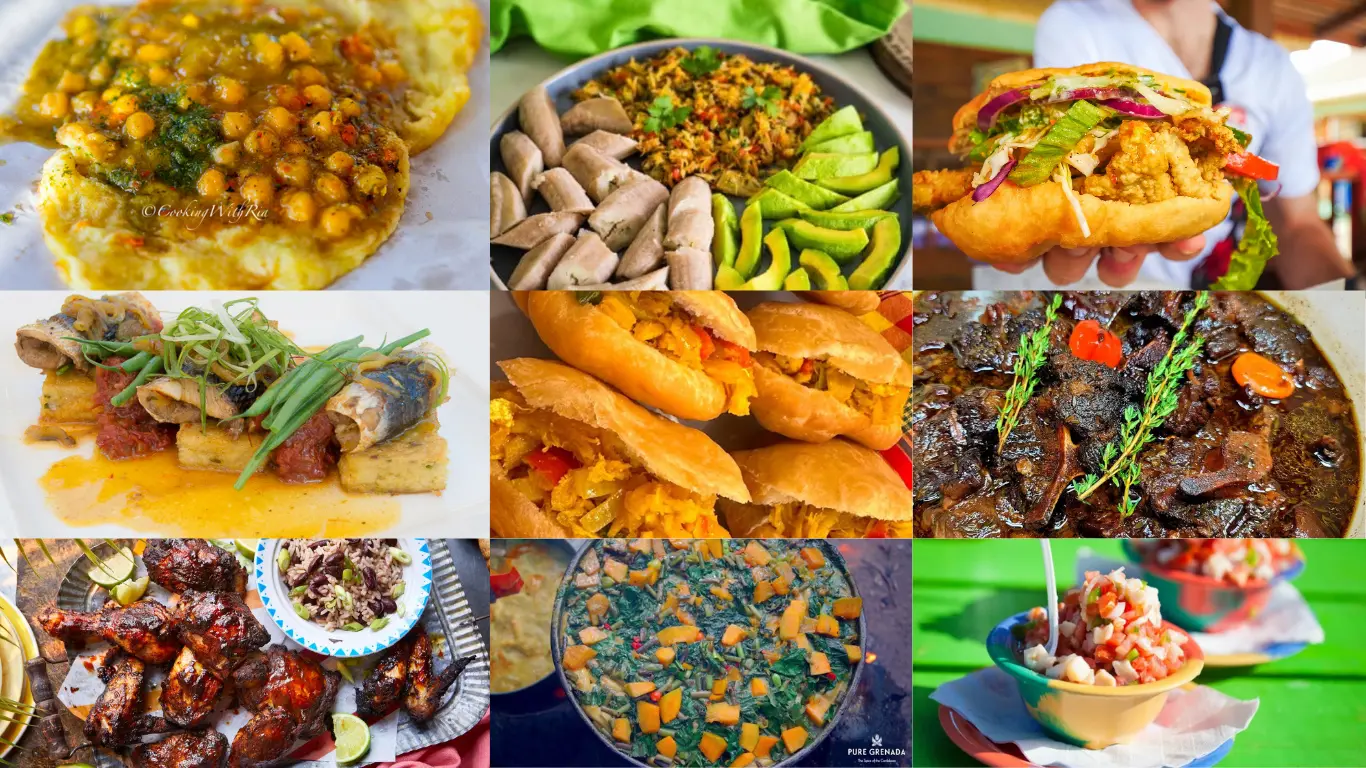

What to know about the ingredients, names and traditions behind nine familiar Caribbean meals.
Doubles in Trinidad, oil down in Grenada and pepperpot in Guyana offer different ways to understand Caribbean food. Shared ingredients travel across borders, but each dish has its own preparation and place at the table.
This selection brings together street-food favourites, national dishes and everyday meals. It is a starting point rather than a complete map of the region: nine dishes to recognize, the places closely associated with them and a few useful things to know before you order.
1 Doubles in Trinidad and Tobago
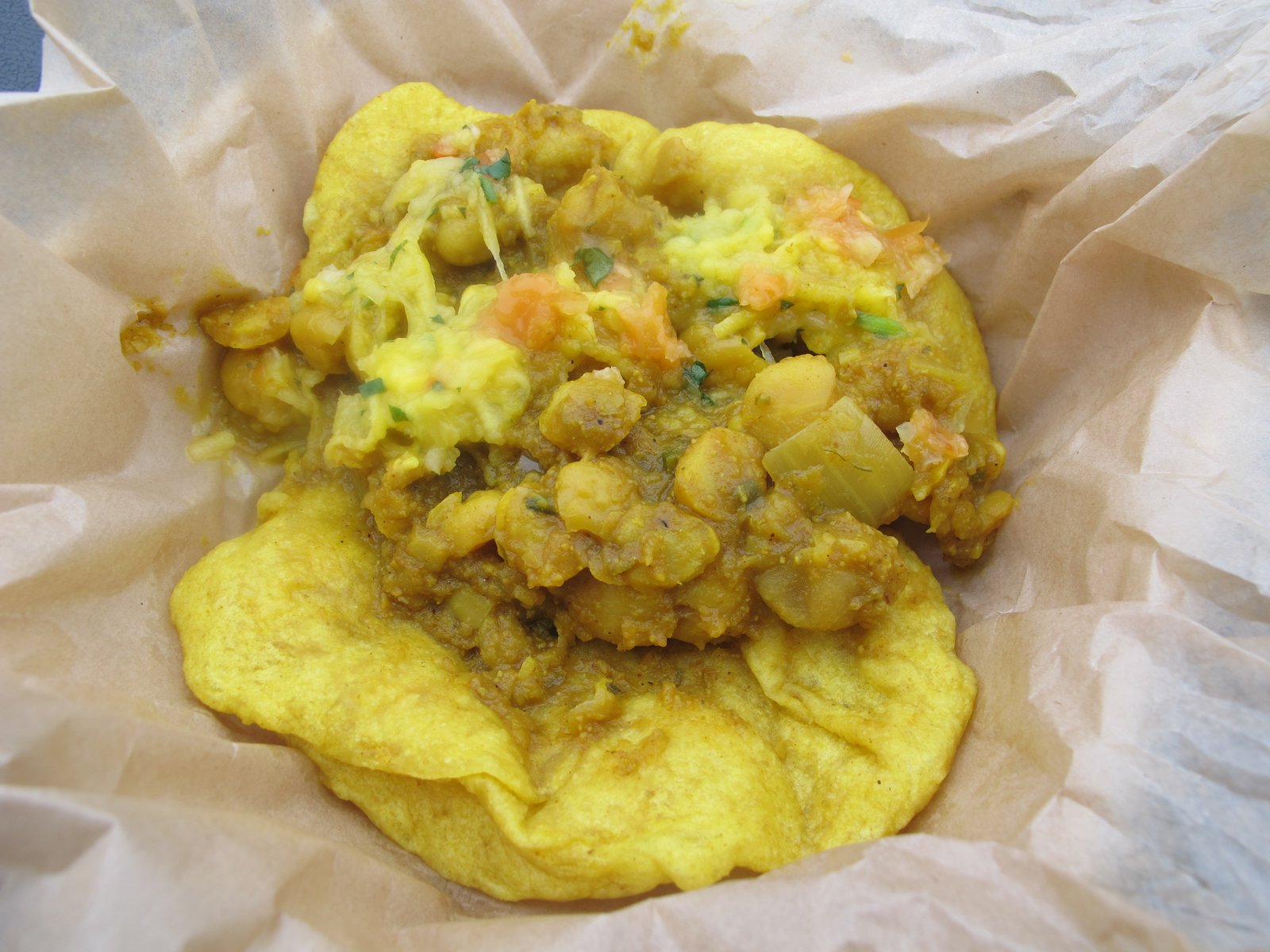
Two soft pieces of fried flatbread, called bara, hold curried channa, the local name for chickpeas. The finishing touches make each serving personal: pepper sauce, chutneys and cucumber can add heat, sweetness and freshness.
Doubles is a handheld street-food meal, often eaten at breakfast or in the evening. Tourism Trinidad’s food guide describes the variety of toppings. Tell the vendor how much pepper you would like rather than assuming every serving has the same heat.
2 Flying fish and cou-cou in Barbados
Barbados’ national dish pairs flying fish with cou-cou, a smooth mixture of cornmeal and okra. The fish may be stewed with seasonings such as thyme, garlic, onion and tomato, with gravy bringing the plate together.
The contrast is part of the appeal: a substantial cornmeal base beneath seasoned fish and sauce. Cou-cou is worth getting to know in its own right, too, so ask what fish or gravy is being served with it that day.
3 Oil down in Grenada
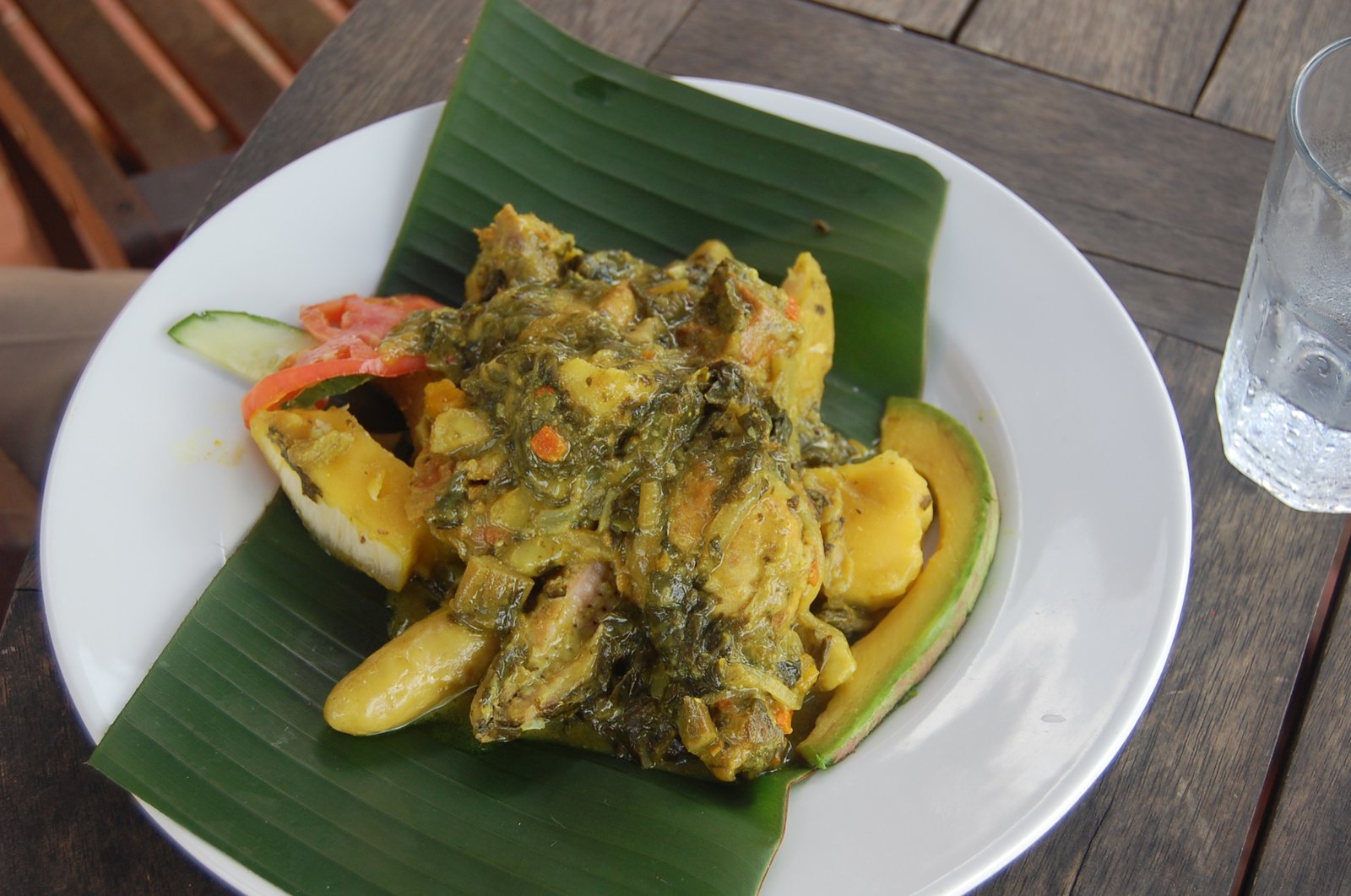
Breadfruit, coconut milk, callaloo and turmeric are central to Grenada’s national dish. Dumplings, salted meat and chicken often join the pot, though the combination varies between cooks.
Everything cooks down together, allowing the breadfruit and other ingredients to absorb the coconut milk and seasoning. Expect a substantial one-pot meal rather than a thin soup. If you avoid meat or fish, ask what has gone into the pot before ordering: its generous mix of vegetables does not automatically make it vegetarian.
4 Jerk chicken in Jamaica
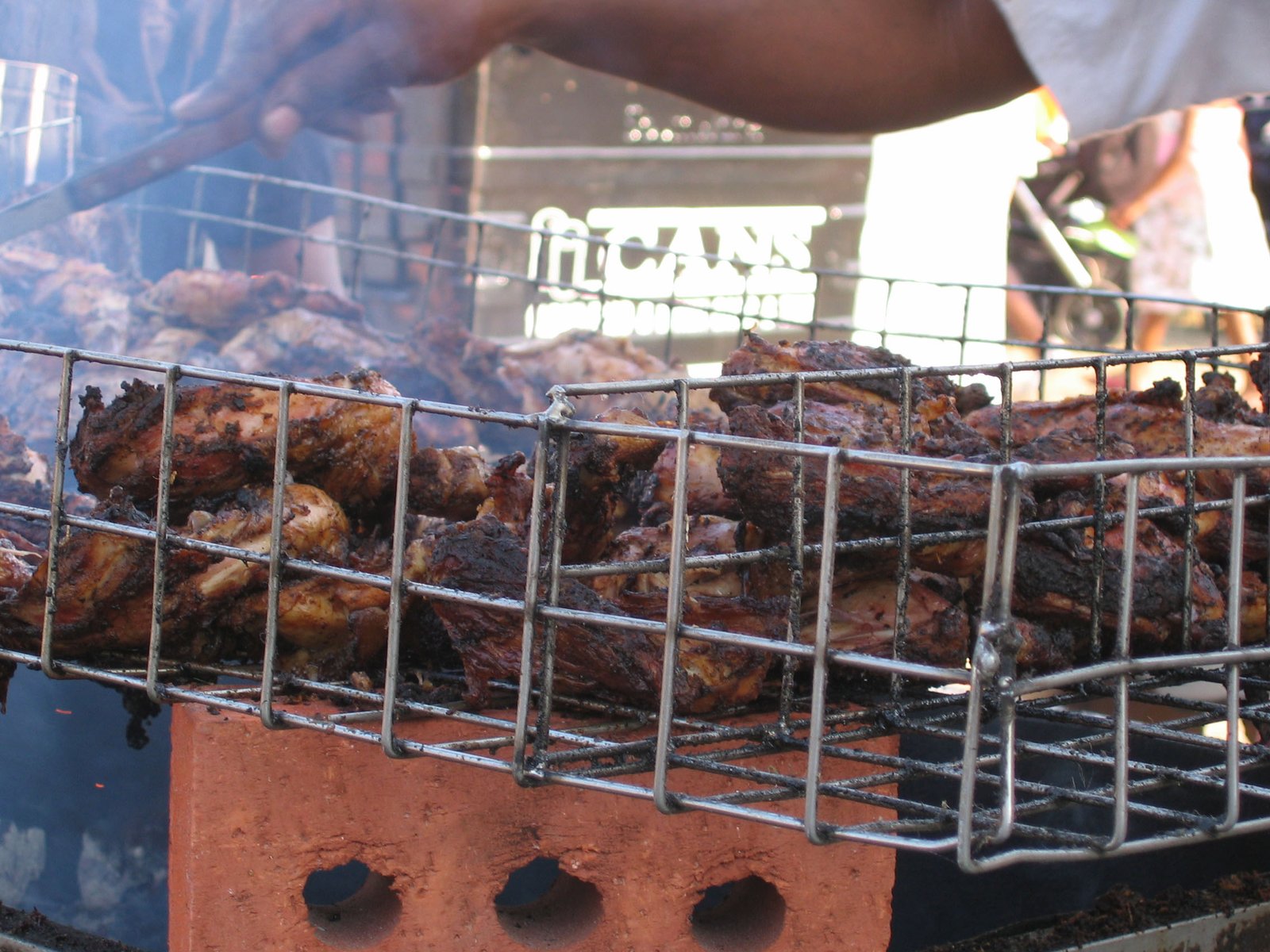
Jerk describes a way of seasoning and cooking, with deep connections to Jamaica’s Maroon traditions. Pimento, also known as allspice, and Scotch bonnet pepper are important flavours, alongside ingredients such as thyme, scallion and garlic.
The result is aromatic chicken with smoke and pepper heat, though recipes and cooking methods vary. Jamaica’s tourism board explains the tradition behind a dish whose identity reaches well beyond the sauce bottle.
5 Green fig and saltfish in Saint Lucia
The name can surprise a first-time visitor. In this dish, green fig means unripe banana, not the sweet fruit usually called a fig elsewhere. Boiled while still green, the banana provides a savoury, starchy base.
It is served with seasoned saltfish, commonly cod, alongside ingredients such as onion, tomato and peppers. Saint Lucia’s tourism authority identifies the pairing as its national dish. The appeal is in that simple balance of mild banana and savoury fish.
6 Pepperpot in Guyana
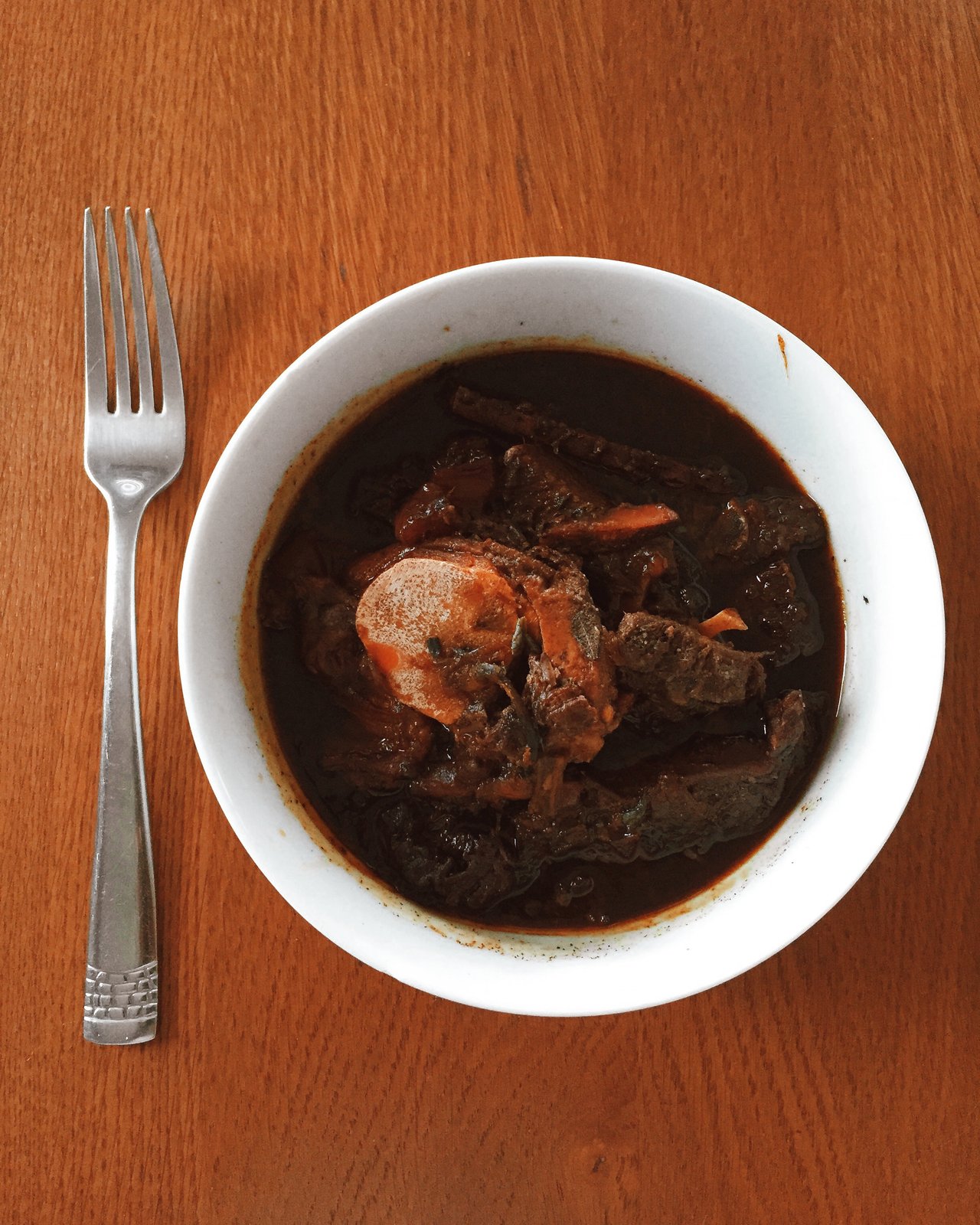
Cassareep, a dark preparation made from cassava, gives Guyanese pepperpot its distinctive character. The meat simmers with it and seasonings that can include hot pepper, cinnamon and cloves. Different versions use beef, pork or other cuts.
The Guyana Cultural Association’s Christmas issue places pepperpot in Indigenous and Christmas food traditions, with bread alongside. This is Guyana’s version of pepperpot; the name does not mean the same preparation everywhere in the Caribbean.
7 Conch salad in The Bahamas
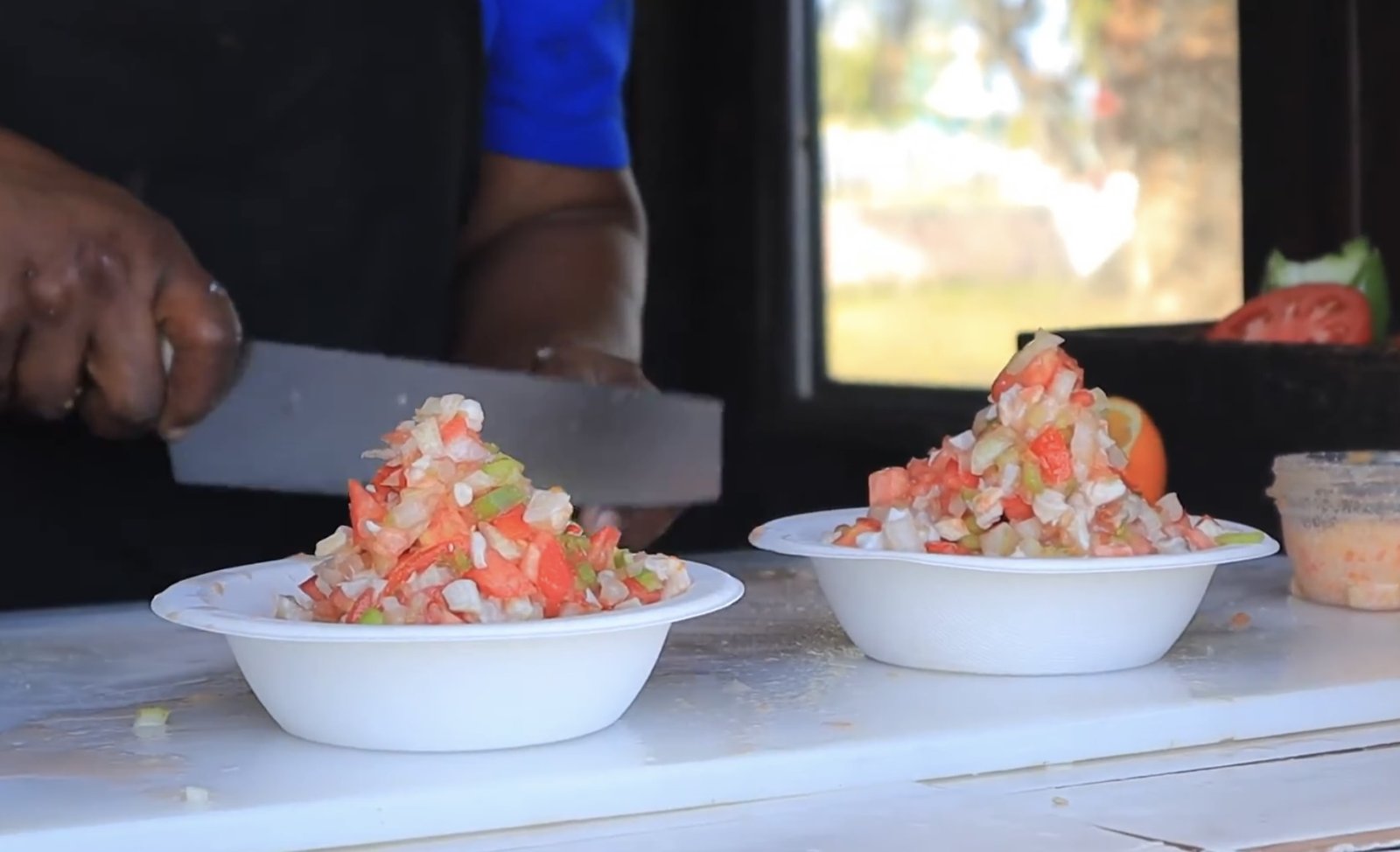
Conch, a marine snail, is the centre of this Bahamian dish. Diced raw conch is mixed with citrus juice, onion and peppers, with variations that introduce fruit or extra heat. Expect a sharp, fresh-tasting seafood mixture rather than a bowl of salad leaves.
The Bahamas’ tourism guide to conch sets out the salad alongside other preparations. It remains raw seafood despite the citrus dressing. If that is not what you want, look for a cooked conch dish instead.
8 Bake and shark in Trinidad and Tobago
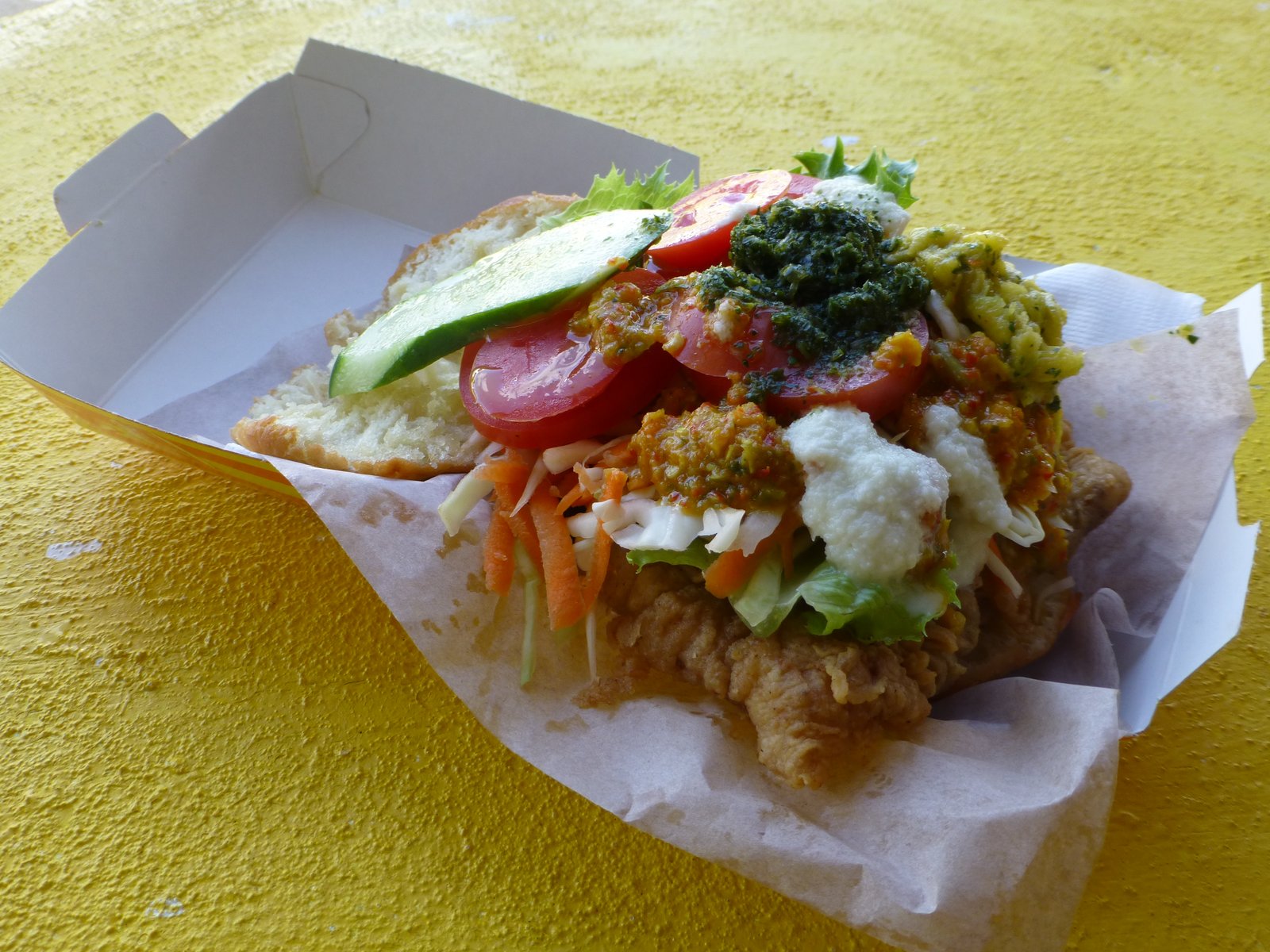
Despite the name, the bake in this sandwich is fried bread. It is split and filled with seasoned fried shark, then finished with a choice of toppings and sauces. Maracas Bay is closely associated with the dish, making it a familiar part of a Trinidad beach outing.
Ask about fillings if you do not eat shark; some vendors offer alternatives. For another way to explore Trinidad through food and local company, read our profile of Brown Girl Tours.
9 Saltfish and johnny cakes in Antigua and Barbuda
Saltfish and johnny cakes make a satisfying breakfast pairing in Antigua. The cakes are bread-like, with a crisp outside and soft centre, rather than the sweet cakes their name might suggest. They may arrive with eggs as part of a fuller breakfast.
An Antigua and Barbuda Tourism Authority-sponsored food feature highlights this combination. Johnny cakes also belong to a wider Caribbean tradition, with recipes and accompaniments changing from place to place.
Let the meal lead the way
Ask what is being cooked that day, how much pepper goes into it and which ingredients make the local version distinctive. There is room for household favourites and a cook’s own approach within each of these familiar names.
To follow the food into another part of Caribbean culture, explore our Caribbean rum distillery tours guide. For a contemporary Grenadian food-and-drink business story, meet the people behind Tingz Local.
Further reading
- Five Caribbean Culinary Talents at Bahamas Festival 2026
- What Breakfast Looks Like in the Caribbean
- Caribbean Concoctions: Celebrating Traditional Sweets
- Maureen Simon Foods Brings a Taste of the Caribbean to 7-Eleven Stores Across Canada
Explore more: Culture · Lifestyle · Caribbean Food & Drink.