
Now Reading: How Real-Time Digital Payments Can Support Caribbean Business Growth
-
01
How Real-Time Digital Payments Can Support Caribbean Business Growth

Across the Caribbean, business often moves faster than the systems designed to support it.
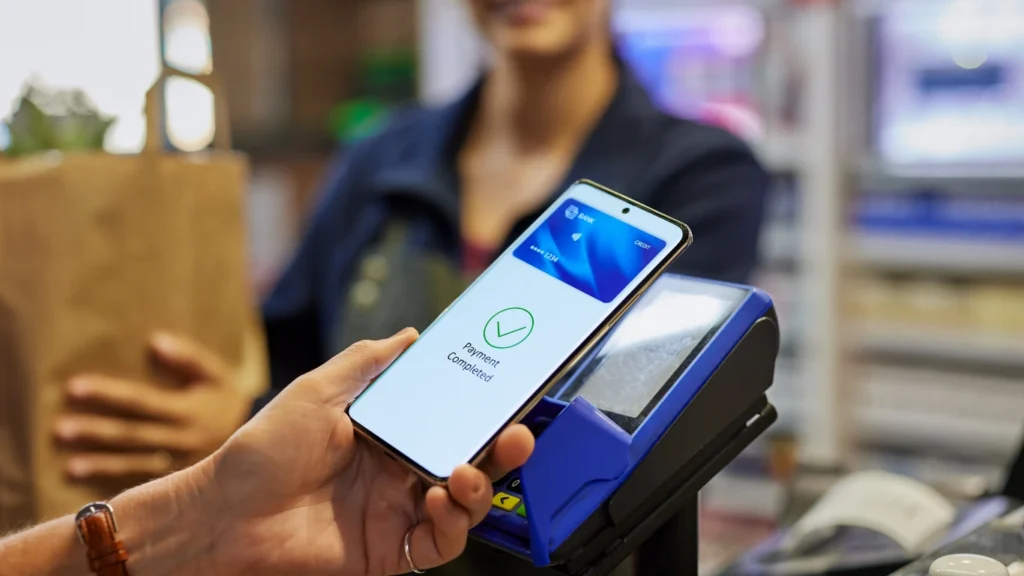
In a region where many businesses operate with tight cash flow, delayed payments can slow growth. That is why real-time digital payments are becoming an important conversation across the Caribbean.
Real-time payments allow money to move quickly between individuals, businesses and institutions, often within seconds or minutes. For small businesses, tourism operators, vendors, freelancers and online sellers, that speed can make a meaningful difference.
Why Payments Matter to Business Growth
Payments may not always sound exciting, but they sit at the centre of business activity.
When payments are slow, business is slow.
A delayed transfer can affect:
- stock purchases
- supplier payments
- payroll
- delivery timelines
- customer experience
- cash flow planning
For large companies, these delays may be manageable. For small businesses, they can be disruptive.
Real-time digital payments help reduce that friction by allowing businesses to confirm payment quickly and move on to the next step.
That creates a more efficient business environment.
Small Businesses Need Faster Cash Flow
Across the Caribbean, many entrepreneurs operate with limited working capital.
- A food vendor may need to buy ingredients daily.
- A boutique owner may need funds to restock.
- A makeup artist may require deposits to secure appointments.
- A tour operator may need upfront payment to confirm bookings.
When payments are instant, businesses can plan with more confidence. They do not have to wait days for funds to clear or rely heavily on cash transactions. For micro and small businesses, faster access to money can support stability and growth.
Digital Payments Support the Tourism Economy
Tourism is one of the clearest areas where real-time payments can help.
Visitors increasingly expect convenience. They want to book tours, pay for experiences, buy tickets, reserve transport and make purchases without unnecessary friction.
This creates opportunities for:
- tour guides
- restaurants
- event promoters
- taxi operators
- hotels and guesthouses
- wellness providers
- cultural experiences
- vendors at festivals and markets
If a visitor can discover an experience online and pay immediately, the business is more likely to secure the sale. In tourism, convenience can influence conversion.
E-commerce Becomes Easier to Scale
Many Caribbean businesses are using Instagram, WhatsApp, websites and online stores to sell products.
But selling online is only part of the journey. The payment experience matters. If customers must complete too many steps, wait for confirmation or send screenshots of transfers, sales can be lost.
Real-time digital payments can make e-commerce smoother by allowing businesses to receive confirmation quickly and fulfil orders faster.
This is especially important for businesses selling:
- food products
- beauty items
- fashion
- event tickets
- handmade goods
- digital services
The easier the payment process, the easier it becomes for Caribbean brands to scale.
Real-time Payments Can Reduce Dependence On Cash
Cash still plays an important role across the region, but cash-heavy systems come with limitations. They can be inconvenient, harder to track and less efficient for businesses trying to grow.
Digital payments create clearer records, which can help businesses:
- track sales
- manage inventory
- apply for financing
- understand customer behaviour
- separate personal and business income
This matters because many small businesses struggle not because they lack customers, but because they lack clear financial visibility. Better payment data can support better business decisions.
Financial Inclusion Becomes More Practical
Real-time digital payments also have the potential to support financial inclusion.
When payment systems are easy to use, accessible and trusted, more people can participate in the formal economy.
This is especially important for:
- microbusinesses
- informal vendors
- young entrepreneurs
- rural communities
- freelancers
- gig workers
The Inter-American Development Bank has noted that digital payments are transforming Latin America and the Caribbean, while also highlighting that progress depends on solving issues such as interoperability, trust and access.
For the Caribbean, those issues are very real. A payment system only works if people can use it easily and across different banks, platforms and communities.
The Region is Already Moving in this Direction
The Caribbean is not starting from zero.
Across the region, banks, fintechs, governments and central banks are already working on payment modernisation.
In Trinidad and Tobago, the Ministry of Digital Transformation signed an agreement in 2024 with NPCI International Payments Limited to develop a real-time digital payments platform for person-to-person, person-to-merchant and government-to-person transactions.
The Central Bank of Trinidad and Tobago has also noted that the payments landscape is being affected by fintechs and non-bank payment service providers, with services expanding beyond bill payments into wider online and mobile payment solutions.
In the Eastern Caribbean, the Eastern Caribbean Central Bank has pointed to payment system integration as part of building stronger digital payment confidence and improving transaction flows across the currency union.
These developments show that payment innovation is becoming part of the region’s broader digital transformation conversation.
Trust Will Determine Adoption
Technology alone will not guarantee success. For real-time payments to truly support business growth, people must trust the systems.
That means:
- strong security
- simple user experience
- clear dispute processes
- reliable customer support
- public education
- interoperability between institutions
If businesses and customers do not understand the system, or if they feel exposed to fraud or errors, adoption will be slower.
Trust is not a soft issue.
It is central to whether digital payments become part of everyday business.
The Opportunity for Caribbean Businesses
Real-time payments can help Caribbean businesses become more competitive by making transactions faster, easier and more transparent.
They can support:
- quicker sales
- better cash flow
- smoother tourism experiences
- stronger e-commerce
- cleaner business records
- wider financial inclusion
For entrepreneurs, this is not just about technology. It is about removing friction.
The businesses that can receive payment easily, confirm orders quickly and serve customers with less delay will be better positioned in a digital economy.
A More Connected Caribbean Economy
The Caribbean has always been connected by movement, of people, culture, music, food and trade. Digital payments can support that connection in a more practical way.
They can help a customer pay a small business instantly, help a visitor book an experience with confidence. Assist a vendor in tracking income more clearly.
Support entrepreneurs in moving from informal selling into structured growth.
The future of Caribbean business will not be built only on big ideas. It will also be built on the systems that make everyday transactions easier.
And real-time digital payments could be one of those systems.
Related Posts



Stay Informed With the Latest & Most Important News
Previous Post
Next Post