Now Reading: Why Experience-Driven Travel Is Reshaping the Caribbean
-
01
Why Experience-Driven Travel Is Reshaping the Caribbean

Today’s visitors are looking for more than where to stay, they want stories, culture and connection

For years, Caribbean travel was often sold through a familiar image: blue water, white sand, sunshine and escape.
Those things still matter. They remain part of the region’s beauty and appeal. But today’s traveller is looking for something deeper.
They want to know where locals eat, attend the festival, not just hear about it. They want to understand the story behind the food, the music, the landscape and the people.
Across the Caribbean, travel is becoming less about simply visiting a destination and more about experiencing it.
The Traveller Has Changed

Modern travellers are more curious, more digitally connected and more intentional about how they spend their time.
They are using social media, travel blogs, short-form video and local recommendations to shape their choices before they arrive. In many cases, the decision to visit a destination is influenced not only by hotels and beaches, but by the experiences surrounding them.
That means destinations are increasingly being judged by:
- culture
- food
- festivals
- local access
- authenticity
- ease of discovery
The Caribbean is well positioned for this shift because experience has always been part of the region’s identity.
Culture Is Becoming the Travel Product

The Caribbean has never been short on culture. What is changing is how that culture is being packaged, promoted and experienced.
Carnival, jazz festivals, food festivals, sailing weeks, chocolate tours, heritage experiences and local markets are no longer side activities. They are becoming central reasons to travel.
A visitor may come to Barbados for Crop Over, visit St. Lucia for Jazz. They may choose Grenada for chocolate, spices and Spicemas. They may go to Dominica for nature, culture and a slower, more immersive experience.
In each case, the destination is not only selling a place. It is offering a story.
Food Is Driving Discovery

Food has become one of the strongest entry points into Caribbean travel.
Travellers are increasingly interested in:
- local food tours
- farm-to-table dining
- street food experiences
- cooking classes
- culinary festivals
- rum, cocoa and spice experiences
This matters because food allows visitors to engage with culture in a direct and memorable way.
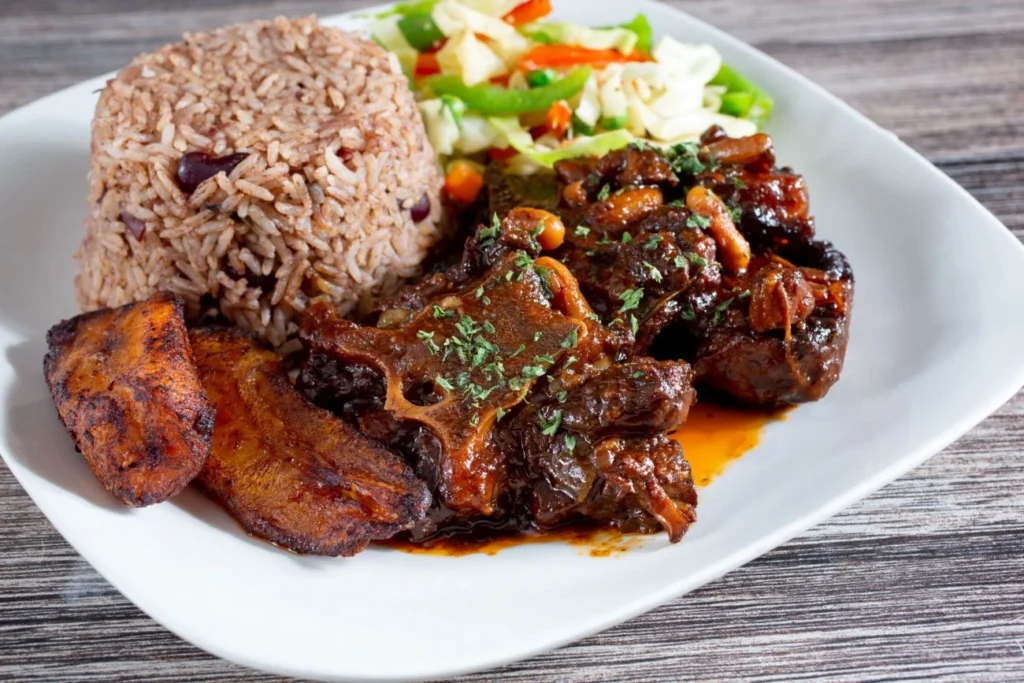
A plate of oil down in Grenada, flying fish and cou cou in Barbados, green fig and saltfish in St. Lucia, or pepperpot in Guyana can say as much about a place as any landmark.
Food makes destination storytelling personal.
Events Are Creating Travel Momentum

The Caribbean calendar is one of the region’s greatest tourism assets.
From Carnival seasons and music festivals to sailing events and cultural celebrations, events give travellers a reason to plan around specific moments.
This is especially important for regional and diaspora travel. Many visitors are not just looking for a vacation; they are looking for a reason to return, reconnect or explore another island.
Events create urgency. They turn interest into action.
And for destinations, they help spread tourism activity beyond traditional peak periods.
The Diaspora Is a Key Audience
For the Caribbean diaspora, travel is often emotional. It is not only about leisure.
It is about connection, memory and identity. Diaspora travellers may be returning for family, festivals, food, Carnival or cultural reconnection. They are often looking for experiences that feel familiar, but still offer something new.
This makes them an important audience for experience-driven travel.
They understand the culture, but they still want discovery.
They want to feel connected to home while also seeing how the region is evolving.
Beyond the All-Inclusive Model

The Caribbean will always have space for rest, relaxation and traditional resort experiences.
But more travellers are now looking to leave the property, engage with local culture and understand the destination beyond the room.
This does not reduce the value of hotels. It expands the visitor journey.
A strong destination experience can include:
- luxury accommodation
- local dining
- cultural events
- guided excursions
- community-based experiences
- nightlife and entertainment
The opportunity is in connecting these parts into one richer story.
The Future of Caribbean Travel Is Layered
The region does not need to abandon the images that made it famous.
The beaches, landscapes and natural beauty are still part of the draw.
But the next phase of Caribbean travel will be shaped by the experiences that sit around them the people, the food, the festivals, the businesses, the stories and the cultural rhythms that make each island distinct.
Travel is changing.
And across the Caribbean, destinations that can tell deeper stories will be the ones that stand out.
Related Posts


Stay Informed With the Latest & Most Important News
Previous Post
Next Post