Now Reading: More Than Mothers: A Celebration of Caribbean Women
-
01
More Than Mothers: A Celebration of Caribbean Women
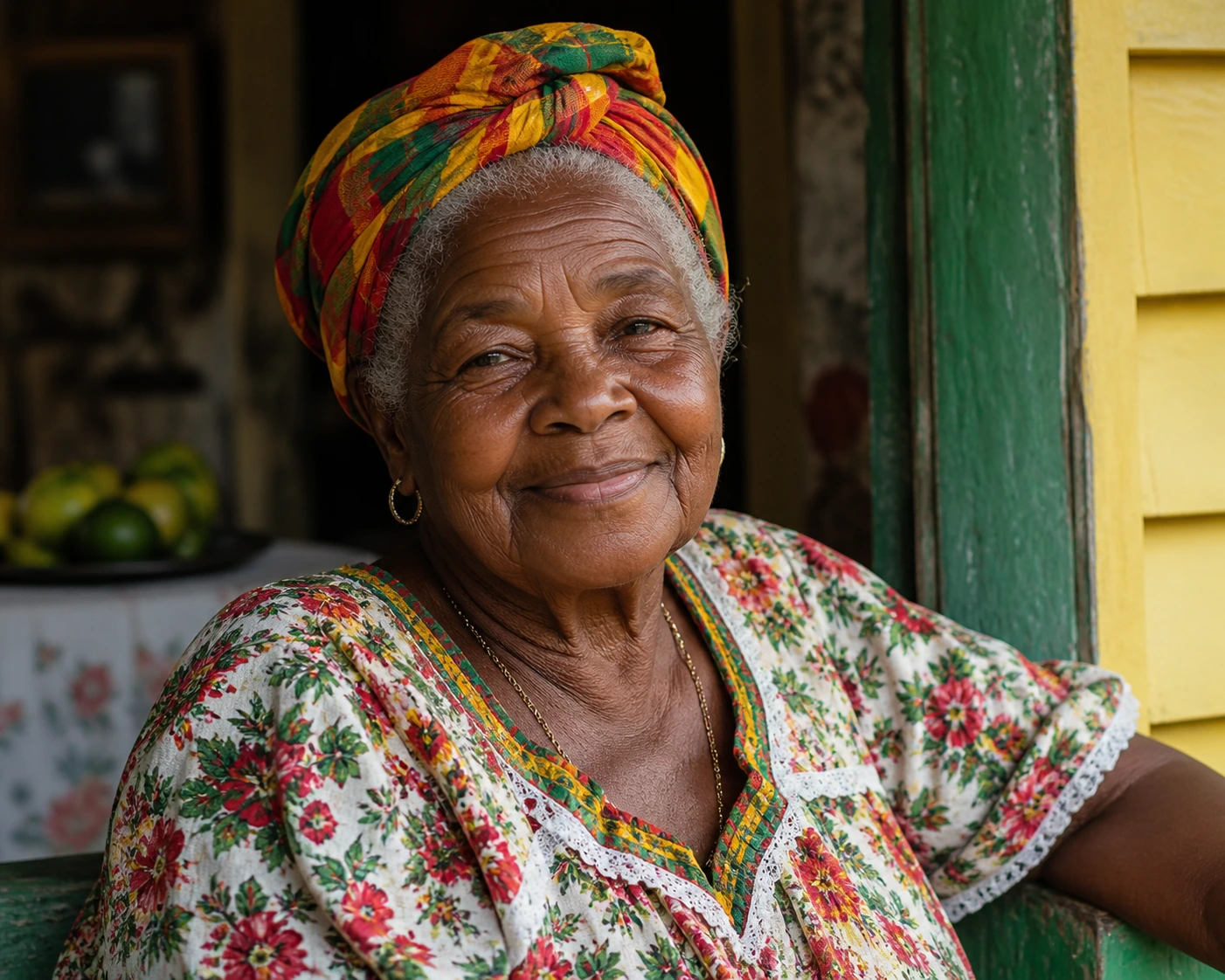

From grandmothers to aunties, a look at how care, guidance and community shape the Caribbean experience
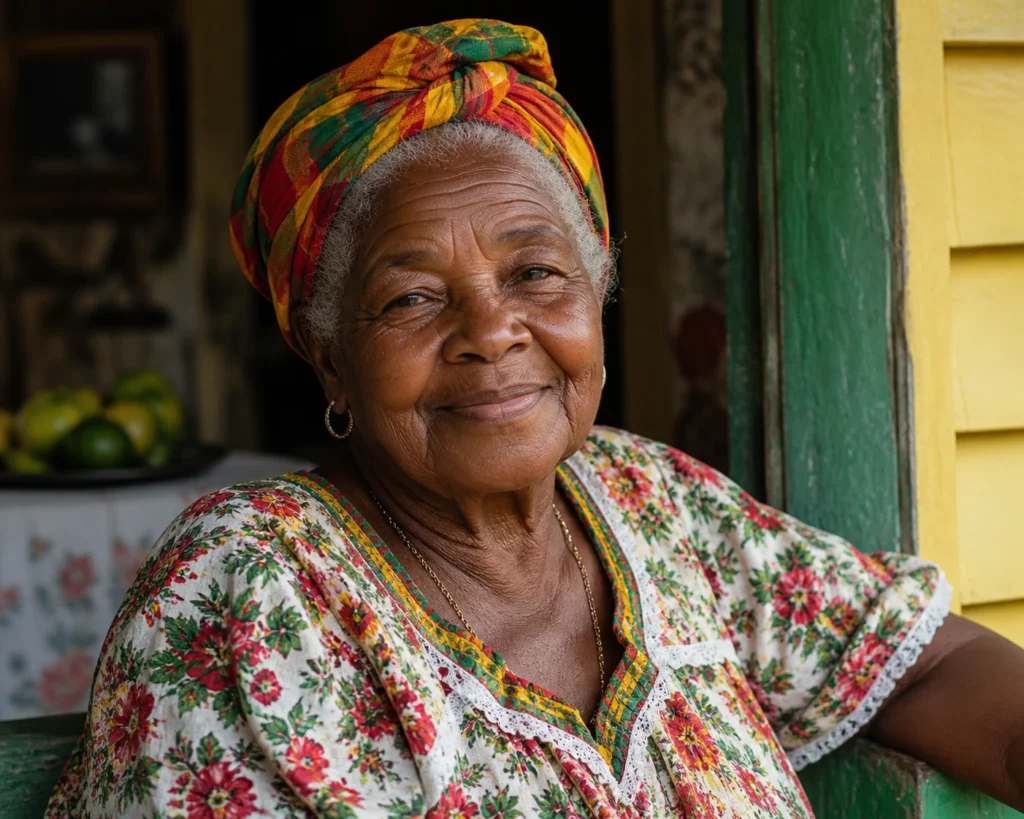
In the Caribbean, motherhood is rarely defined by one person.
It extends beyond the woman who gives birth. It lives in grandmothers who anchor families, aunties who step in without being asked, older sisters who take on responsibility early, and community figures who guide, correct and support.
Care, in this region, is shared. And while Mother’s Day offers a moment to recognise that care, it also highlights something deeper, the way Caribbean culture understands family, responsibility andconnection.
The Grandmother as Foundation
Across the Caribbean, the grandmother is often the centre of the household.
In Trinidad, Jamaica, Barbados, Grenada and beyond, it’s common to find families built around her presence, her home, her routines, her way of doing things.
She is:
- the memory of the family
- the keeper of traditions
- the one who “knows how things should be done”
Her influence goes beyond nurturing. It shapes how families function, how values are passed on and how identity is maintained across generations.
Aunties Who Step In Without Title
In many Caribbean households, “aunty” is not always a biological role.
It’s a position earned through presence.
These are the women who:
- show up when needed
- correct you when necessary
- support you without formality
They may not be called “mother,” but they contribute to raising children in very real ways. This informal network of care creates a wider safety net. One that doesn’t rely on a single individual.
Shared Responsibility, Not Isolation
Caribbean culture often resists the idea that parenting is an isolated responsibility.
Children are raised within a system:
- neighbours who keep an eye out
- extended family members who step in
- community figures who guide behaviour
It’s not uncommon to hear, “anybody coulda tell you something.”
That statement reflects a collective understanding: raising a child is not the job of one person alone.
Strength Without Announcement
Many Caribbean mothers and mother figures are defined not by what they say, but by what they do.
They manage households, support families, build businesses, maintain traditions and navigate challenges often without recognition.
Their strength is consistent, not performative. And while it may not always be named,it is felt.
A Different Kind of Recognition
Mother’s Day in the Caribbean is less about grand gestures and more about acknowledgement.
It’s a chance to recognise:
- the grandmother who held the family together
- the aunty who stepped in when needed
- the woman who showed care, even without the title
It’s a reminder that motherhood, in this region, is not defined by a single role.
It’s defined by contribution.
The Culture of Care
What makes the Caribbean distinct is not just the presence of strong women, but the system that surrounds them.
Care is shared.
Responsibility is distributed.
Guidance comes from multiple directions.
And in that system, children grow up understanding that they are supported by more than one person.
More Than a Day
Mother’s Day offers a moment to pause and recognise the women who shape our lives.
But in the Caribbean, that recognition extends far beyond a single day.
It lives in how we speak, how we show respect, how we remember and how we continue the cycle of care.
Because here, motherhood is not limited to one person.
It is a network.
It is a culture.
It is a way of life.
Related Posts


Stay Informed With the Latest & Most Important News
Previous Post
Next Post