Now Reading: Caribbean Traditions That Still Shape Modern Life
-
01
Caribbean Traditions That Still Shape Modern Life
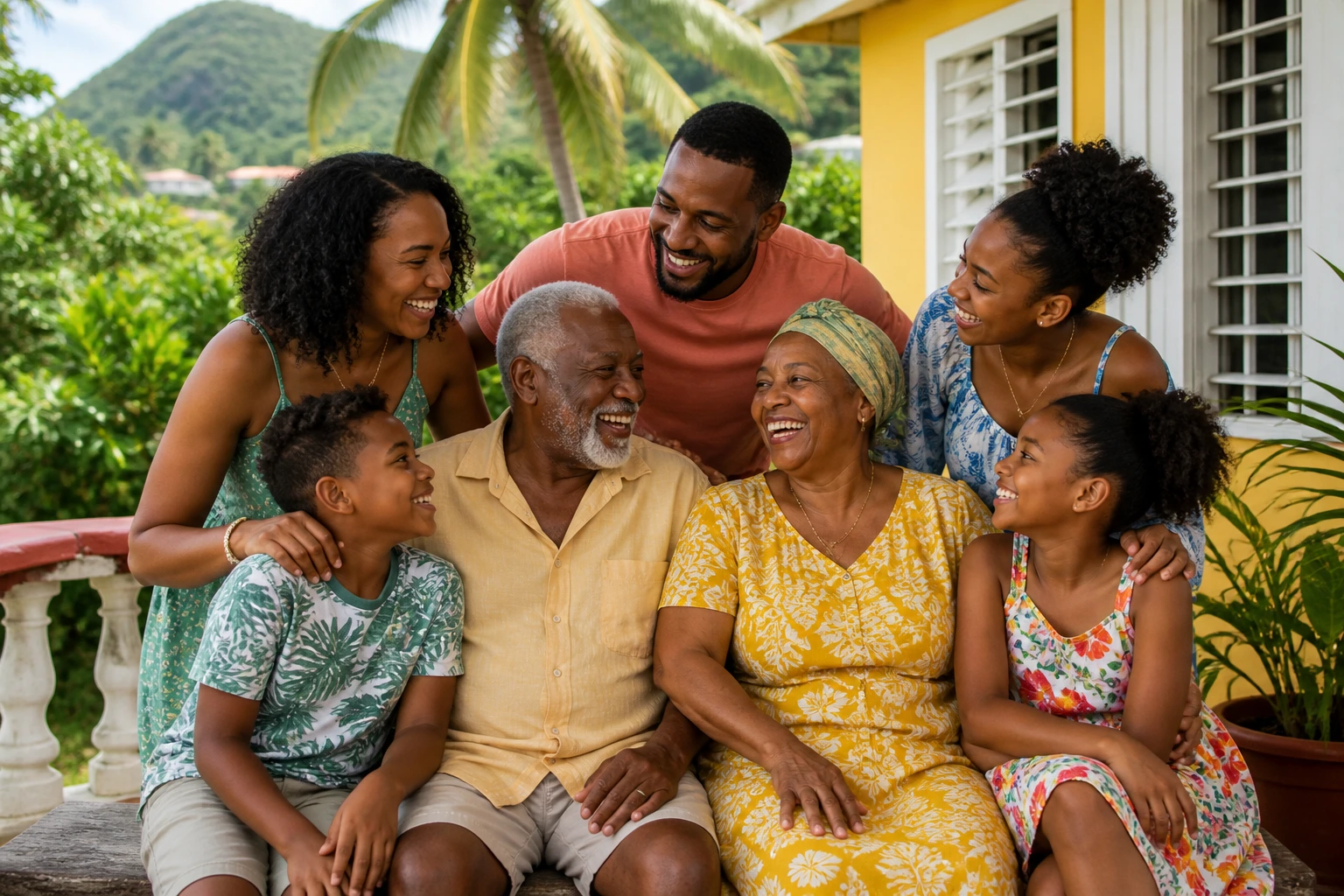

How culture, habits and shared practices continue to define the region today.
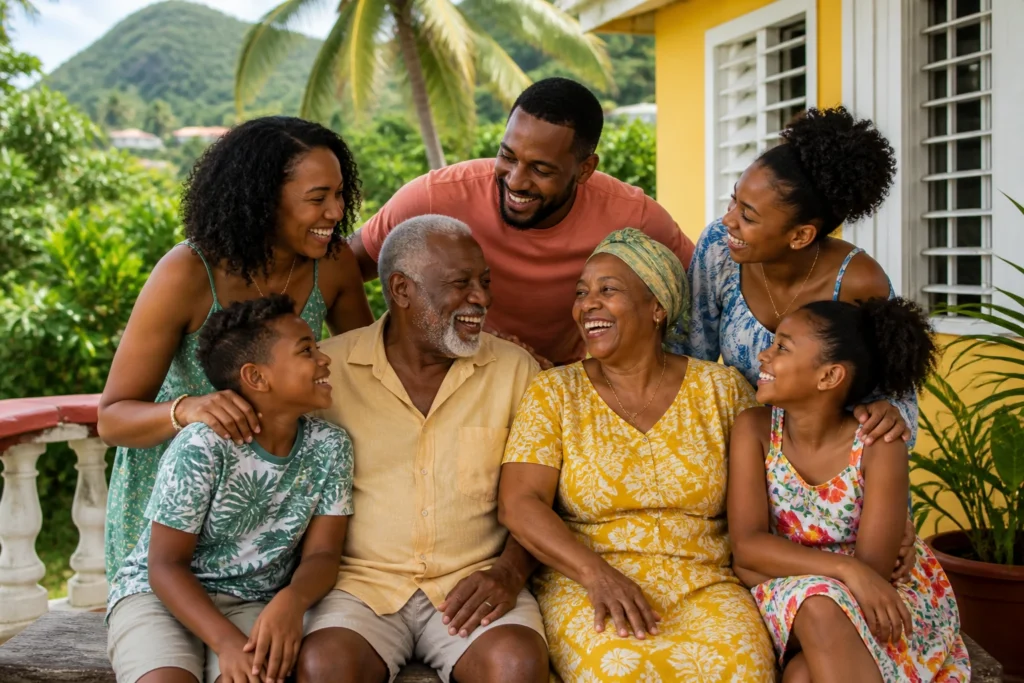
The Caribbean is constantly evolving, influenced by global trends, technology and changing lifestyles.
But beneath that change, there are traditions that continue to shape how people live, connect and understand the world around them.
These traditions are not always formal. They show up in everyday behaviour, in how communities interact and in how culture is passed from one generation to the next.
Sunday Lunch as a Ritual
Across the Caribbean, Sunday lunch is more than a meal.
In Trinidad, Barbados, Jamaica and beyond, it is a weekly ritual where families gather, food is shared and time is set aside to reconnect.
It reflects:
- the importance of family
- the role of food in bringing people together
- the idea that certain moments should be protected
Even as lifestyles change, this tradition continues to hold its place.
Respect for Elders
Respect is deeply embedded in Caribbean culture.
Whether it’s how people greet older individuals, listen during conversations or seek guidance, there is a consistent acknowledgement of experience and age.
This tradition shapes:
- communication styles
- family dynamics
- community interactions
It’s not always spoken about, but it is widely understood.
Community Awareness
In many Caribbean communities, people are aware of each other.
Neighbours notice when something changes. Someone checks in when needed.
Children grow up being guided by more than just their parents.
This collective awareness creates:
- a sense of accountability
- a network of support
- a stronger connection between individuals and their environment
Celebration as Expression
Celebration is a defining part of Caribbean culture.
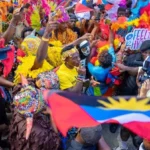
From Carnival and festivals to smaller community events, celebration is used as a form of expression a way to release, connect and create shared experiences.
Even outside of major events, this shows up in:
- music playing in everyday spaces
- spontaneous gatherings
- the ability to turn ordinary moments into something memorable
Oral Storytelling
Stories in the Caribbean are often told, not just written.
Family history, community knowledge and cultural lessons are passed through conversation, through stories shared at gatherings, during meals or in everyday interactions.
This tradition keeps culture alive in a way that feels personal and immediate.
Tradition Within Change
The Caribbean continues to grow, adapt and modernise. But these traditions remain.
Not as relics of the past, but as active parts of daily life.
They influence how people interact, how communities function and how identity is maintained across generations.
In a region shaped by movement and change, these traditions provide continuity.










Related Posts


Stay Informed With the Latest & Most Important News
Previous Post
Next Post
Previous Post
Next Post