Now Reading: Tuff Gong International Studios Reopens in Kingston
-
01
Tuff Gong International Studios Reopens in Kingston

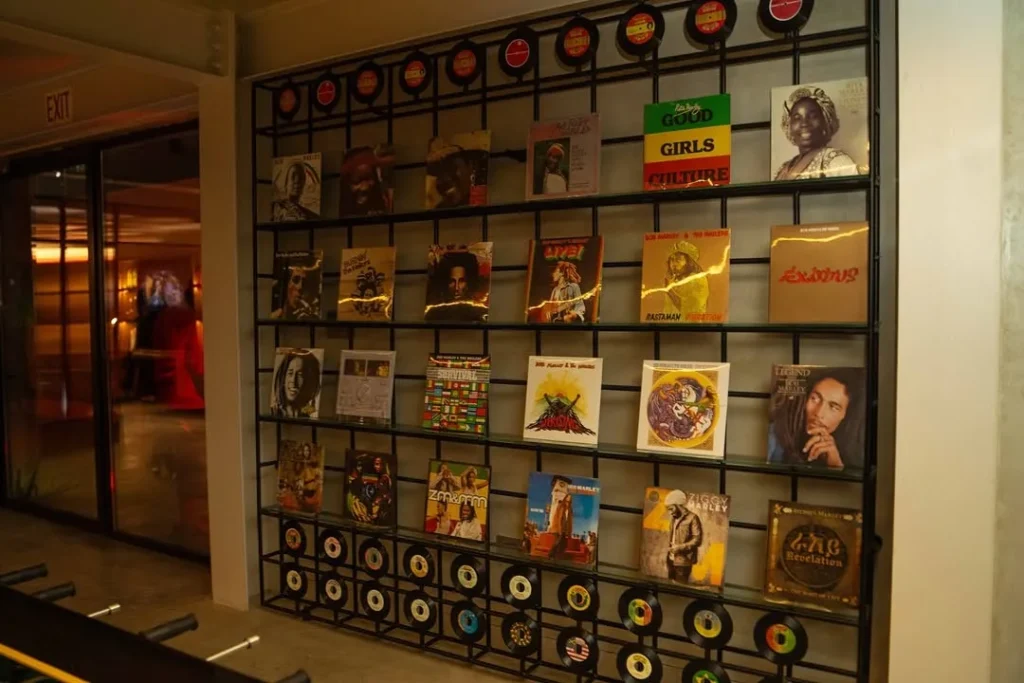
One of Jamaica’s most iconic music landmarks has entered a new chapter. Tuff Gong International Studios has officially reopened its recording facility on Marcus Garvey Drive in Kingston after undergoing a series of upgrades designed to modernize the historic studio while preserving its cultural legacy.
The reopening was celebrated on March 5 with a private event that brought together musicians, recording artists, media representatives, and cultural leaders from across Jamaica’s music community.
Among those in attendance were Cedella Marley, reggae legends Marcia Griffiths and Judy Mowatt, along with musicians Richie Stephens, Lukie D, and Sangie Davis. Also present were respected instrumentalists including keyboardist Robbie Lyn, percussionist Bongo Herman, and bassist Donald Dennis.
Political leaders also attended the event, including Mark Golding and Member of Parliament Anthony Hylton.
A New Era for Tuff Gong International Studios
The revitalized studio now features updated production suites, improved acoustics, and redesigned creative spaces designed to meet the needs of modern music production.
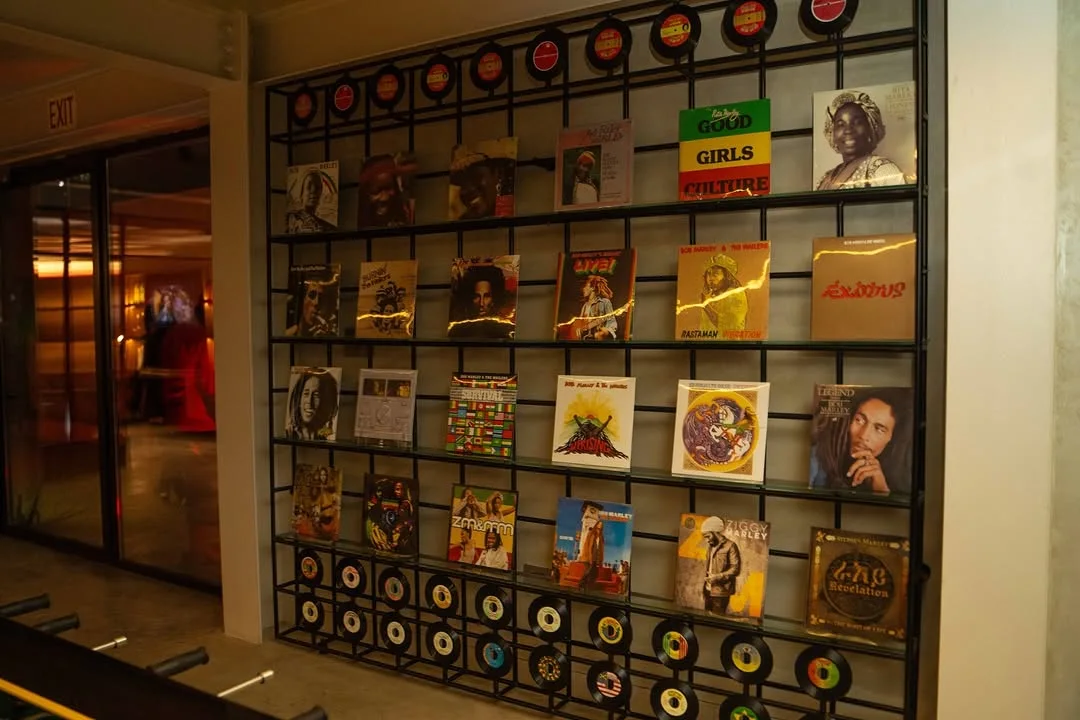
Visitors entering the building are greeted by a newly designed lobby that showcases photographs celebrating the legacy of Bob Marley, Rita Marley, and the many local and international artists who have recorded at the studio over the decades.
A new artist lounge has also been added to the facility, offering musicians a comfortable space to relax and collaborate. The lounge includes recreational amenities such as table tennis, table football, a pool table, and a pinball machine.
These enhancements aim to create a creative environment that supports both emerging Jamaican talent and international collaborations.
From Federal Records to Tuff Gong Legacy
The property that now houses Tuff Gong International Studios holds an important place in Jamaica’s music history.
Originally, the site was home to Federal Records, founded in 1957 by music entrepreneur Ken Khouri. Federal Records was among the first fully integrated music production facilities in Jamaica, offering recording, mastering, artwork design, and vinyl pressing services.
In 1981, Rita Marley acquired the building, fulfilling a promise made by her late husband Bob Marley. Years earlier, Marley had reportedly been denied entry to the studio while accompanying musician Johnny Nash during the 1970s.
For the Marley family, purchasing the facility represented both a personal milestone and a broader cultural mission.
Preserving Reggae’s Global Legacy
Speaking during the reopening event, Cedella Marley described the moment as another chapter in the studio’s continuing story.
She reflected on a difficult moment in the past helped shape a space that now celebrates Jamaican music and culture.
According to Marley, her mother recognized early on that protecting reggae’s legacy required more than preserving songs. It required building the infrastructure that would allow the music to thrive globally.
Today, Tuff Gong continues to serve as a home for reggae and a platform for creative collaboration rooted in Jamaica.
A Creative Hub for Global Artists
The studio has welcomed both Caribbean and international artists, including Gilberto Gil, Alpha Blondy, Youssou N’Dour, and Sinéad O’Connor.
Tuff Gong International Studios is poised to continue shaping the future of reggae and global music production.
The studio’s reopening reinforces Kingston’s role as one of the region’s most influential creative capitals.










Related Posts



Stay Informed With the Latest & Most Important News
Previous Post
Next Post