Now Reading: Eastern Caribbean Tourism Trends Shaping Travel in 2026
-
01
Eastern Caribbean Tourism Trends Shaping Travel in 2026


The latest Eastern Caribbean tourism trends show a region that is evolving quickly and confidently. Visitor arrivals continue to grow, airlines are expanding routes, and travelers are seeking more meaningful, experience-driven trips. As a result, destinations across the Eastern Caribbean are adapting to new expectations while strengthening their global competitiveness.
From sustainability and boutique luxury to digital nomads and cultural experiences, these trends are shaping how the region welcomes visitors in 2026 and beyond.
Airlift Expansion
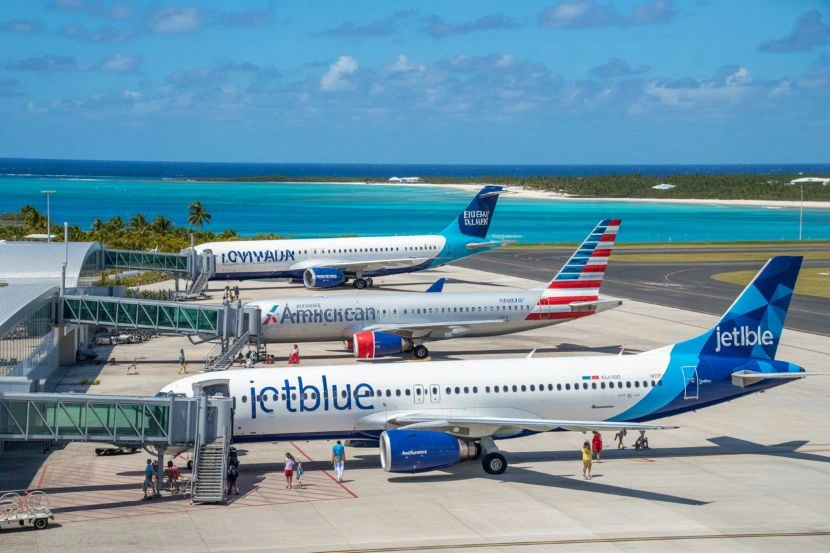
Improved air connectivity remains one of the biggest drivers behind current Eastern Caribbean tourism trends. Several destinations have strengthened airline partnerships and added new routes from North America and Europe.
More direct flights make the region easier to access. In addition, better regional connectivity is encouraging multi-island travel and longer stays. As a result, visitor spending and overall competitiveness continue to improve.
Experiential Travel
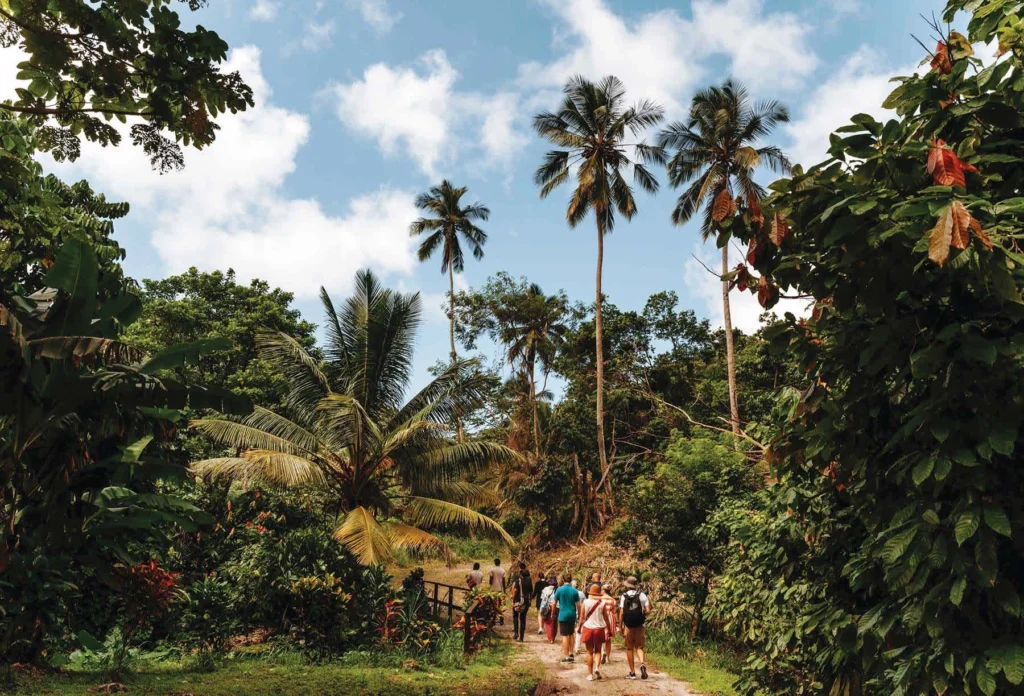
Travelers are no longer satisfied with traditional beach vacations alone. Instead, they want immersive experiences that connect them to culture, food and community.
Across the region, visitors are prioritizing:
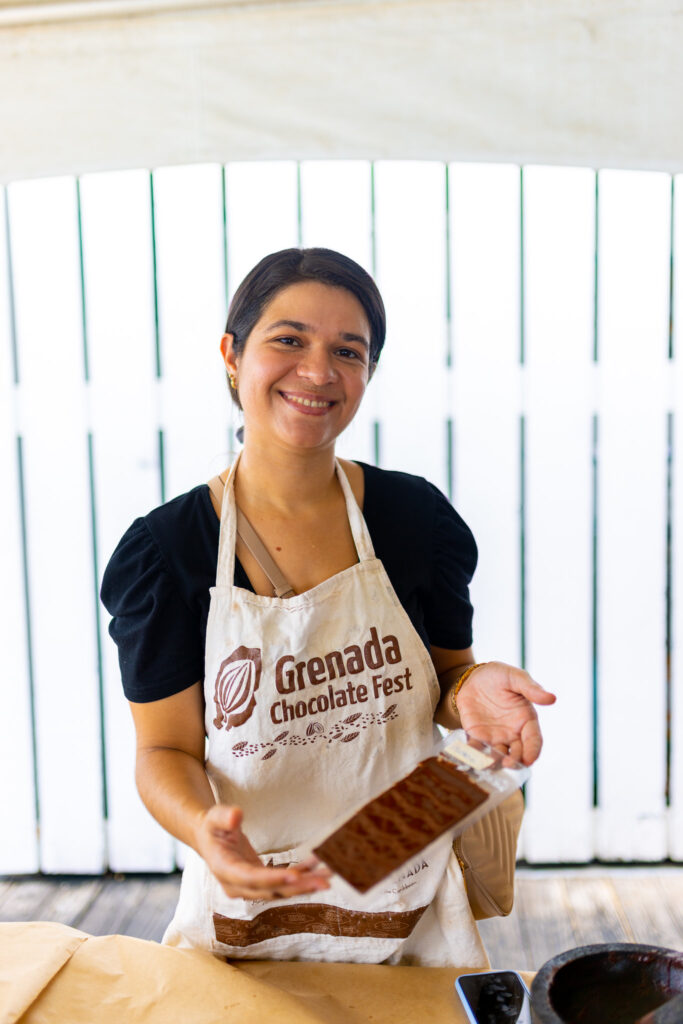
- Culinary events and food festivals
- Cultural celebrations and heritage tours
- Nature-based and adventure experiences
- Community-driven tourism initiatives
Because of this shift, destinations are focusing more on authentic storytelling and local engagement.
Sustainable Travel

Sustainability has become a core part of modern travel decisions. Therefore, many Eastern Caribbean destinations are investing in marine conservation, eco-resorts and climate resilience projects.
Travelers increasingly choose destinations that protect natural resources and support local communities. As a result, sustainable tourism practices are becoming central to long-term growth strategies.
Boutique Luxury and Wellness Travel

Boutique luxury and wellness travel continue to rise. Today’s visitors are seeking privacy, personalization and curated experiences.
Instead of large-scale resorts, many travelers prefer:
- Boutique hotels and villas
- Wellness retreats and spa experiences
- Culinary tourism and rum tastings
- Private yachting and sailing adventures
This shift supports higher visitor spending while maintaining an intimate travel experience.
Rise of Digital Nomads

Remote work continues to influence Eastern Caribbean tourism trends. More professionals are combining work and leisure, choosing extended stays across the region.
In response, destinations are improving internet infrastructure, promoting long-stay accommodations and developing remote work programs. Consequently, tourism revenue becomes more consistent throughout the year.
Looking Ahead
Overall, these Eastern Caribbean tourism trends highlight a region that is adapting to global travel shifts while staying rooted in authenticity.
By focusing on connectivity, sustainability and experience-driven travel, the Eastern Caribbean is positioning itself for strong and sustainable growth in the years ahead.










Related Posts

Stay Informed With the Latest & Most Important News
Previous Post
Next Post
Previous Post

Next Post