Now Reading: Bahamas Eyes Landmark Visa-Free Agreement With the US
-
01
Bahamas Eyes Landmark Visa-Free Agreement With the US

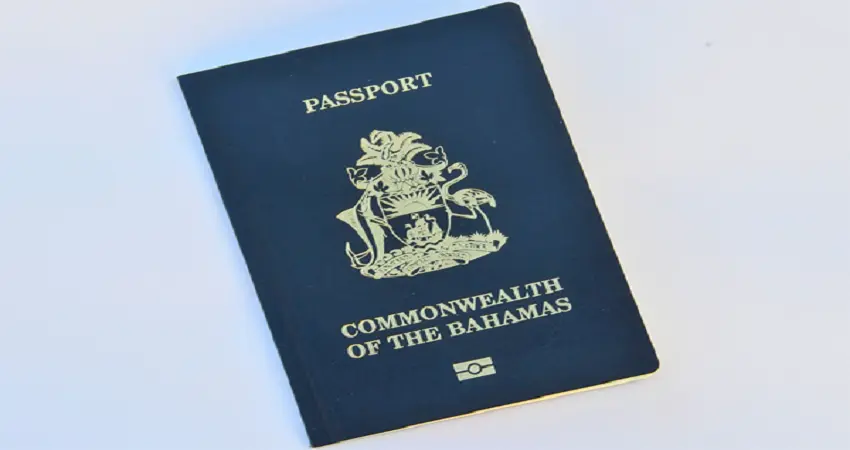
The article “Bahamas Eyes Landmark Visa-Free Deal With the United States” looks at the government’s plan to pursue a formal visa-free travel agreement with Washington. The proposal marks a major shift in how Bahamians could move across borders.
A Renewed Push for Easier U.S. Travel
The Bahamas has revived a long-standing goal: easier entry into the United States. Foreign Affairs Minister Fred Mitchell told Parliament that the government wants to explore a formal visa-free treaty. He said many Bahamians have asked for simpler travel rules, especially as the U.S. increases immigration enforcement.
Mitchell noted that he raised the idea in past discussions with American officials and in private talks with Prime Minister Philip Davis.
Growing Pressure From U.S. Immigration Policies
The renewed push comes as the United States steps up its response to illegal migration. Recent comments by President Donald Trump about blocking migrants from “third world countries” added urgency to the conversation.
Mitchell argued that both countries should support lawful, structured movement. He also said climate change could force more people to move during emergencies, making clear rules even more important.
Current Visa Rules and Why the Bahamas Eyes Landmark Visa Reform
Today, Bahamians may travel to the United States without a visa only when they fly directly from The Bahamas. They must also present a clean police record. Anyone entering through another country must apply for a visa.
Mitchell said a formal treaty could remove confusion and protect Bahamians’ travel rights.
Debate in Parliament: Law, Order, and Responsibility
The minister spoke during debate on the Smuggling of Migrants Bill, 2025. The bill aims to align national law with international standards on migrant smuggling.
Mitchell stressed that The Bahamas must not appear to support unlawful entry into another nation. “You cannot go into another man’s country unlawfully,” he said, adding that the government must act responsibly and uphold the law.
What Comes Next as the Bahamas Eyes Landmark Visa Negotiations With the U.S.
The government has not yet presented the proposal to the United States. Washington has also not responded publicly. Mitchell noted that the idea remains at an early stage.
If both sides explore the treaty, the move could reshape travel between the two countries. It may also influence wider conversations about mobility and security in the Caribbean.
Related Posts


Stay Informed With the Latest & Most Important News
Previous Post
Next Post